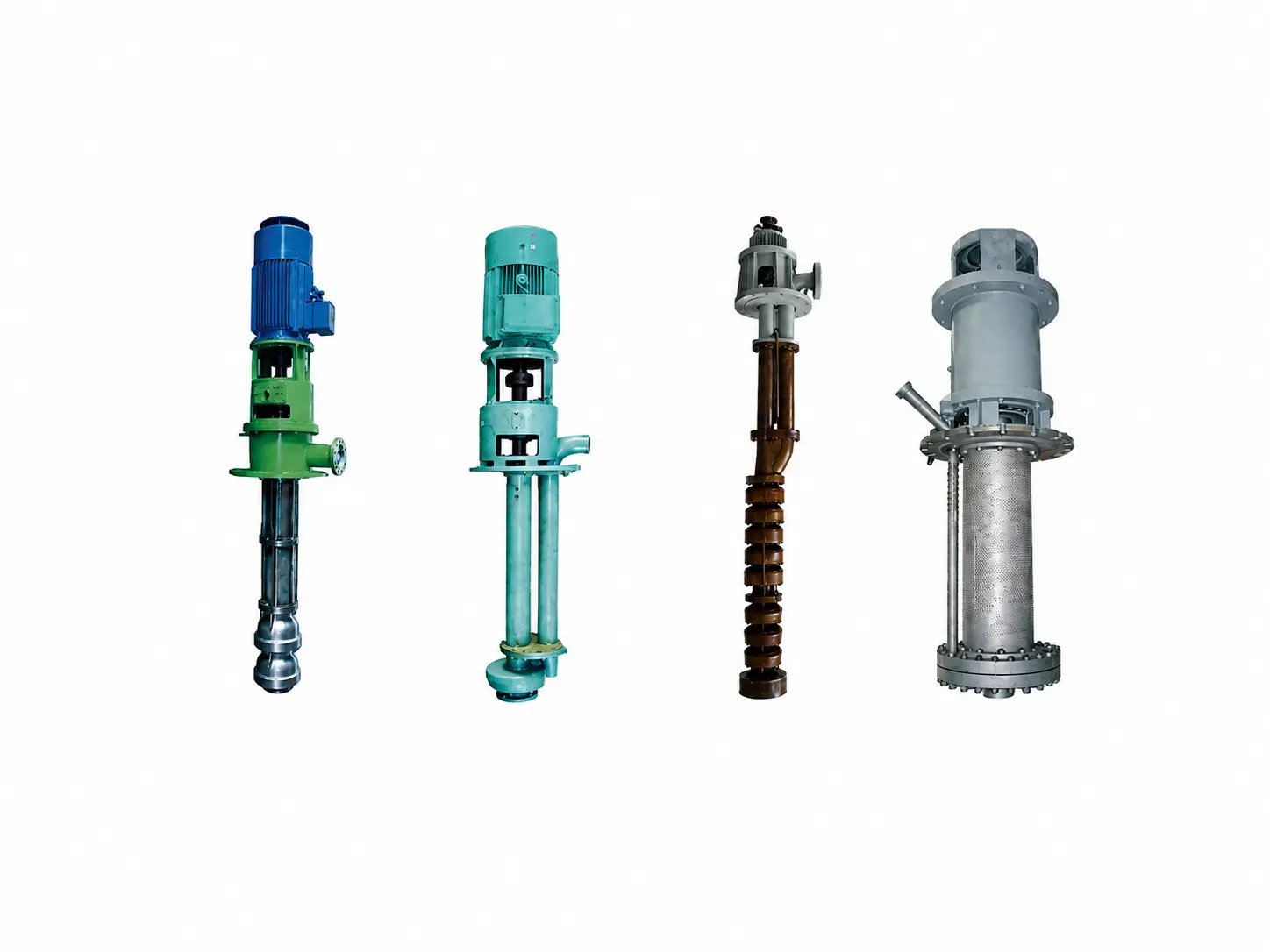
High-temperature pump for molten salt and thermal fluid energy systems

Blogs

High-Temperature Pump: Core Equipment for Modern Energy Applications

In the era of global energy transition and industrial low-carbon upgrading, efficient thermal energy utilization has become a core focus of energy system optimization. As a special industrial fluid conveying device, the high-temperature pump has broken the temperature limit of traditional pump equipment, stably conveying high-temperature heat transfer media and realizing efficient heat circulation and energy redistribution.

It is widely deployed in diverse energy application scenarios, covering industrial thermal supply, renewable energy utilization, and waste heat recovery. This blog systematically introduces the working principle, core advantages, typical energy applications and development trends of high-temperature pumps, revealing their irreplaceable value in modern energy systems.

Fundamentals of High-Temperature Pumps for Energy Application Scenarios

A high-temperature pump is a professional fluid transportation equipment specially designed for extreme high-temperature working conditions, usually adapting to medium temperatures ranging from 200°C to 400°C. Different from ordinary water pumps and chemical pumps, it adopts high-temperature resistant alloy materials, sealed heat insulation structures and optimized hydraulic designs, which can avoid thermal deformation, medium leakage and efficiency attenuation under long-term high-temperature operation. Its core design goal is to match the high-temperature heat transfer demands of various energy application systems and build a stable and efficient thermal circulation loop.

Most high-temperature pumps applied in energy fields adopt centrifugal structure. The impeller rotates at high speed driven by the motor to generate centrifugal force, which continuously sucks high-temperature heat transfer fluids such as thermal oil and molten salt from the heating source, and stably delivers them to energy consumption equipment. After releasing heat to complete energy conversion, the cooled medium flows back to the heating system through the pipeline for cyclic reheating. This closed-loop circulation mode minimizes heat loss and lays the foundation for efficient energy utilization.

Core Advantages of High-Temperature Pumps in Energy Application

The wide popularity of high-temperature pumps in energy application scenarios stems from their unique technical and performance advantages, which solve many pain points of traditional thermal energy transportation equipment and effectively improve the overall energy utilization efficiency of the system.

Extreme High-Temperature Adaptability Ensures Stable Energy Operation

The biggest feature of high-temperature pumps is their excellent high-temperature resistance. Equipped with non-organic heat insulation materials and high-temperature resistant sealing components, they can operate stably in ultra-high temperature environments without cooling water auxiliary equipment. This design avoids the problem of equipment failure caused by high-temperature aging, ensures the continuous and stable operation of high-temperature thermal circulation systems, and guarantees the uninterrupted energy supply of industrial production and new energy systems.

Low Energy Consumption Circulation Improves Energy Utilization Rate

High-temperature pumps adopt optimized hydraulic models and low-resistance pipeline matching design, with low operating power consumption and high conveying efficiency. Compared with traditional steam heating and open heat supply systems, the closed-loop circulation mode supported by high-temperature pumps greatly reduces heat dissipation and medium loss. In industrial thermal energy transmission, it can effectively reduce invalid energy consumption by 15%-30%, realizing energy saving and consumption reduction in energy application processes.

High Safety and Low Maintenance for Long-Term Energy Service

High-temperature pumps for energy application adopt fully sealed structural design, which completely avoids leakage of high-temperature heat transfer media and eliminates potential safety hazards such as high-temperature scalding and flammable medium volatilization. Meanwhile, the integrated structural design reduces vulnerable parts, lowering daily maintenance frequency and operation cost. It can adapt to long-term continuous working conditions of industrial energy systems and new energy power generation projects, improving the overall operational stability of energy equipment.

Typical Energy Application Scenarios of High-Temperature Pumps

With the continuous upgrading of energy systems, the application boundaries of high-temperature pumps are constantly expanding. They have become key supporting equipment in traditional industrial energy conservation and emerging renewable energy fields, covering multiple core energy application scenarios.

Industrial Process Thermal Energy Supply

Industrial production is the largest application scenario of high-temperature pumps. In chemical processing, textile printing and dyeing, food manufacturing and pharmaceutical industries, a large number of stable high-temperature heat sources are required for production reactions, drying and curing. High-temperature pumps circulate high-temperature thermal oil to deliver heat evenly to production equipment, realizing precise temperature control and stable thermal energy supply. Compared with traditional boiler direct heating, this indirect heat supply mode has higher energy utilization efficiency and safer operation, and is widely used in industrial energy optimization and transformation.

Concentrated Solar Power Energy Storage System

In the field of renewable energy, high-temperature pumps are the core conveying equipment of concentrated solar power (CSP) systems. CSP power generation relies on solar thermal concentration to heat molten salt or thermal oil to store heat, and high-temperature pumps are responsible for circulating high-temperature heat storage media between heat collectors and heat storage tanks. They stably transport high-temperature heat energy to power generation equipment to generate electricity, solving the intermittent power generation problem of solar energy. The high-temperature resistance and stable circulation performance of high-temperature pumps directly determine the heat storage efficiency and power generation stability of solar thermal power plants.

Industrial Waste Heat Recovery and Reutilization

Industrial waste heat is a huge potential energy resource, and high-temperature pumps play a key role in waste heat recovery energy application. In steel, metallurgy and thermal power industries, a large amount of high-temperature waste heat is discharged with flue gas and cooling water. High-temperature pumps cooperate with heat exchangers to collect waste heat, transfer it to heating systems, power generation systems or production process equipment, and realize secondary utilization of waste heat. This mode effectively reduces enterprise energy consumption, improves comprehensive energy utilization efficiency, and conforms to the development trend of industrial low carbon.

District Central Heating Energy System

In urban industrial park heating and commercial district heating projects, high-temperature pumps are used in high-efficiency thermal circulation systems. They transport high-temperature heat transfer media in closed loops to realize long-distance and low-loss heat transmission, covering large-area heating demands. Compared with traditional heating equipment, high-temperature pump heating systems have stronger temperature regulation ability and longer transmission distance, which can optimize the regional energy supply structure and reduce the overall carbon emission of heating energy.

Final Thoughts

As a key thermal fluid conveying equipment, the high-temperature pump undertakes the important task of heat circulation and energy transmission in various energy application scenarios. Its excellent high-temperature resistance, efficient circulation performance and high safety make it indispensable core equipment in industrial energy conservation, renewable energy utilization and waste heat recovery fields. With the continuous progress of energy technology and the deepening of low-carbon development, high-temperature pumps will continue to break technical bottlenecks, expand application boundaries, and provide strong support for building an efficient, low-carbon and sustainable modern energy system. Explore FEIYUE's high temperature pump solutions or contact our engineers for project support.

FAQ

Frequently Asked Questions

What is a high temperature pump?

A high temperature pump is an industrial pump specifically designed to handle hot liquids such as thermal oil, molten salt, hot water, or other heat transfer fluids. These pumps use specialized materials, bearing systems, and sealing designs to ensure reliable operation under elevated temperatures.

What industries use high temperature pumps?

High temperature pumps are widely used in industries that require continuous heat transfer, including:

  • Petrochemical processing
  • Chemical manufacturing
  • Solar thermal power plants
  • Asphalt production
  • Steel and metallurgy
  • Food processing
  • Pharmaceutical manufacturing
  • Industrial heating systems
What fluids can a high temperature pump handle?

Depending on the pump design and construction materials, high temperature pumps can handle:

  • Heat transfer oil
  • Thermal oil
  • Molten salt
  • Hot water
  • Glycol solutions
  • High-temperature chemical liquids

The maximum allowable temperature depends on the pump model and the properties of the fluid. See our molten salt pumps and high temperature oil pumps.

How do I choose the right high temperature pump?

When selecting a high temperature pump, consider:

  • Operating temperature
  • Flow rate (Q)
  • Total dynamic head (TDH)
  • Fluid viscosity
  • Corrosion resistance
  • System pressure
  • Installation environment

Choosing the correct materials and hydraulic design helps ensure safe and efficient long-term operation. Browse our high temperature pump range or read our pump selection guide.

Why are centerline-mounted pumps preferred for high temperature applications?

Centerline-mounted pumps (such as API 610 OH2 pumps) allow the pump casing to expand evenly as temperature increases. This design minimizes shaft misalignment, reduces vibration, and improves seal and bearing life during continuous high-temperature operation. Learn more about our high temperature oil pump OH2.

How can high temperature pumps improve energy efficiency?

High temperature pumps help improve energy efficiency by maintaining stable circulation of heat transfer fluids, reducing heat losses, and supporting efficient heat recovery systems. Selecting a pump that operates near its Best Efficiency Point (BEP) can further reduce power consumption and operating costs. Oversized pumps may waste energy, while properly sized pumps combined with variable-speed drives can improve overall system efficiency.

What maintenance is required for a high temperature pump?

Routine maintenance typically includes:

  • Inspecting bearings and seals
  • Checking shaft alignment
  • Monitoring vibration and noise
  • Verifying lubrication conditions
  • Inspecting thermal insulation
  • Checking for leakage and abnormal temperature changes

Regular preventive maintenance helps reduce unplanned downtime and extends pump service life.

What is the difference between a standard centrifugal pump and a high temperature pump?

While both are centrifugal pumps, high temperature pumps are engineered for elevated operating temperatures. They typically feature heat-resistant materials, optimized bearing arrangements, enhanced sealing systems, and designs that compensate for thermal expansion. These features make them suitable for demanding industrial heating and heat-transfer applications where standard pumps may fail.