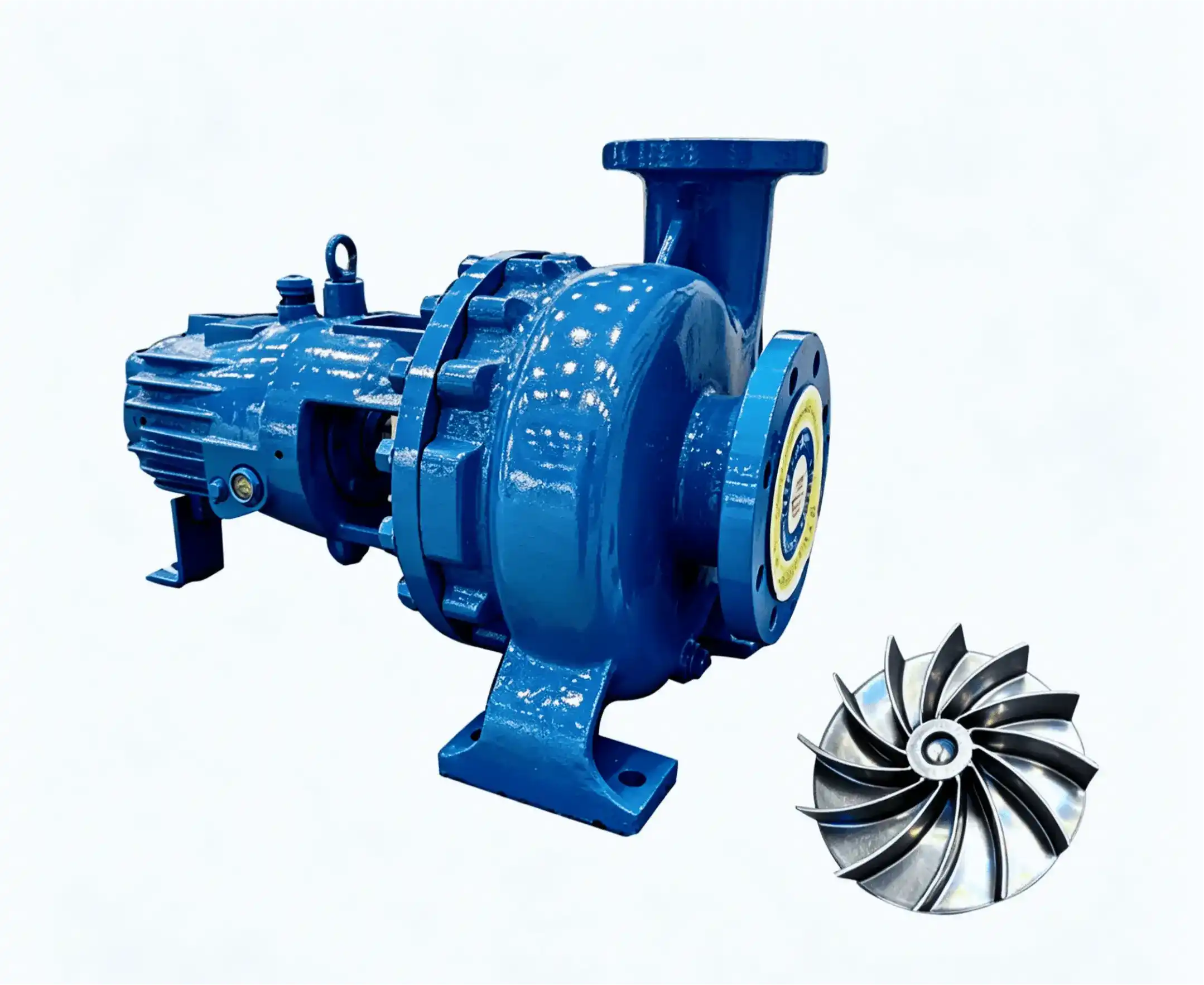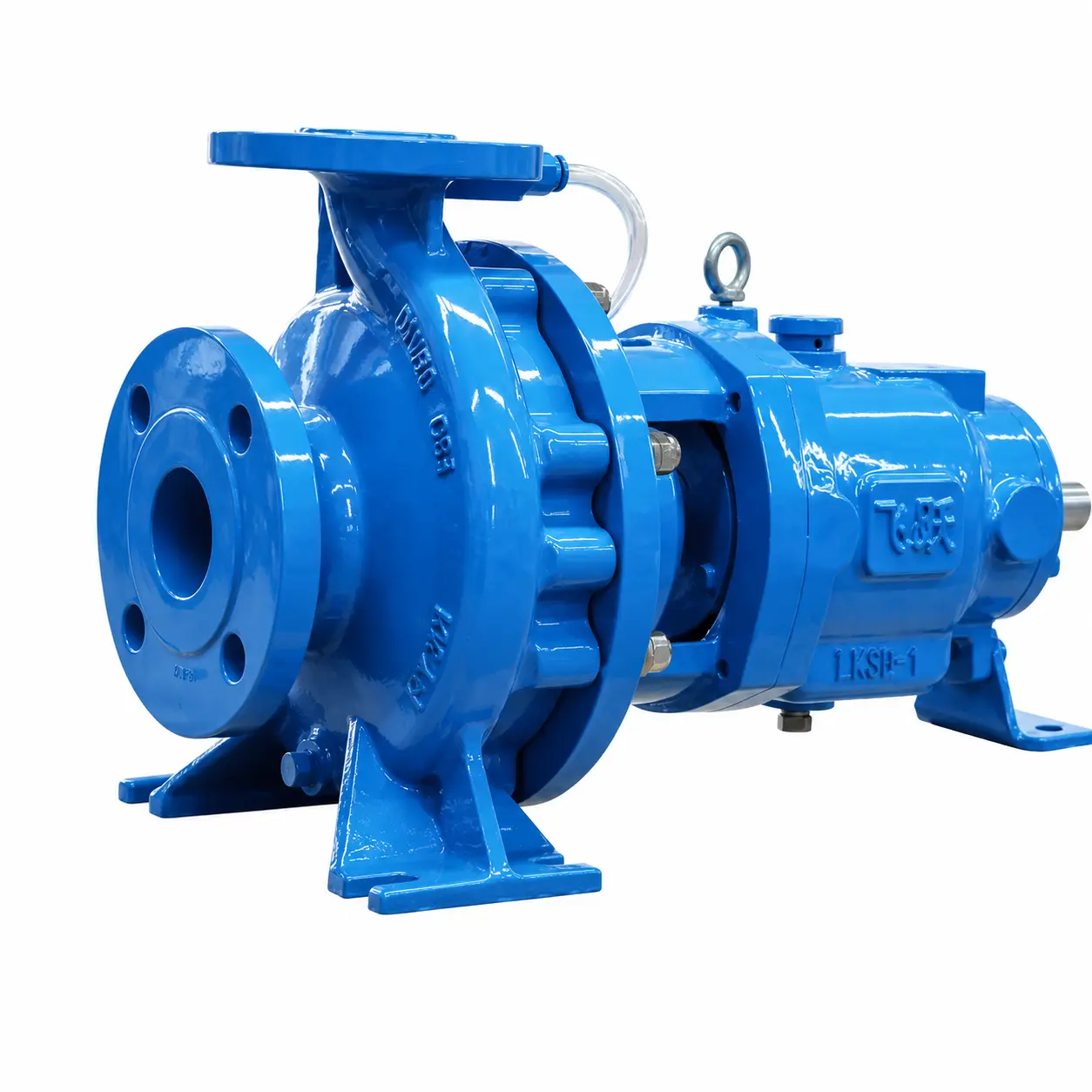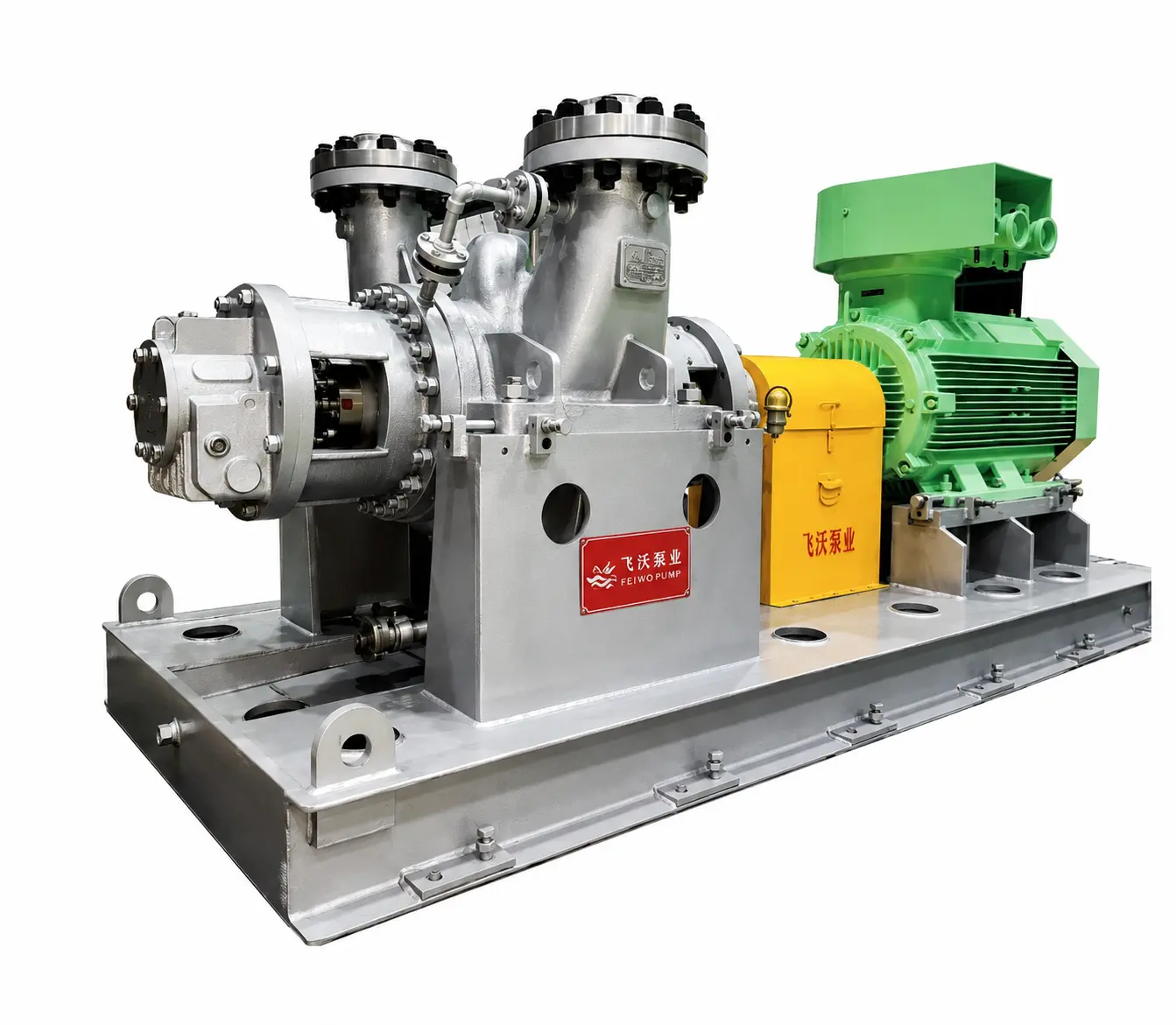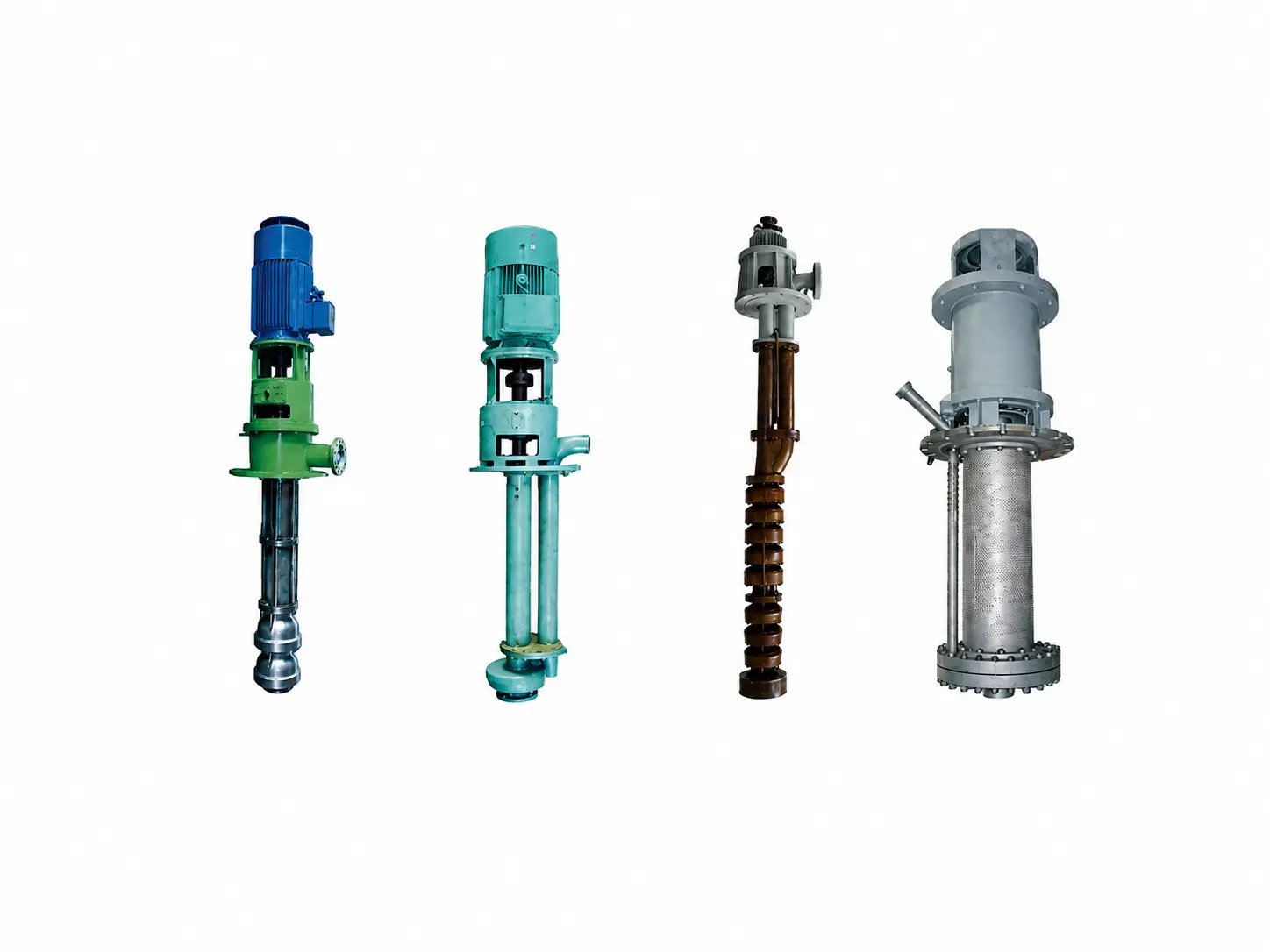
Industrial pump manufacturing for efficient operation

Blogs

Pump Selection for Efficient Operation: A Practical Guide for Industrial Applications

Selecting the right industrial pump is about much more than matching flow rate and pressure. A properly selected pump improves energy efficiency, reduces maintenance costs, extends equipment life, and ensures stable process performance. On the other hand, an oversized or unsuitable pump can lead to excessive energy consumption, cavitation, seal failures, vibration, and costly downtime.

Whether you're designing a new pumping system or replacing existing equipment, understanding the fundamentals of pump selection is essential for achieving reliable and efficient operation. Browse our full industrial pump product range or contact our engineers for project support.

Why Proper Pump Selection Matters

Industrial pumps often operate continuously for thousands of hours every year. Since pumping systems account for a significant portion of industrial electricity consumption, even small improvements in efficiency can produce substantial long-term savings. Operating a pump near its Best Efficiency Point (BEP) minimizes energy use and mechanical stress while improving reliability.

A correctly selected pump can provide:

  • Lower operating costs
  • Reduced energy consumption
  • Longer bearing and seal life
  • Less vibration and noise
  • Higher system reliability
  • Lower maintenance requirements

Step 1: Understand Your Process Requirements

Before selecting any pump, gather accurate operating data.

Key parameters include:

Flow Rate (Q)

Determine the required capacity under both normal and maximum operating conditions.

Typical examples:

  • Chemical transfer
  • Cooling water circulation
  • Boiler feed
  • Oil transportation
  • Tank loading

Avoid selecting pumps solely based on maximum demand if the system operates at partial load most of the time.

Total Dynamic Head (TDH)

Total Dynamic Head includes:

  • Static head
  • Pipe friction losses
  • Valve losses
  • Equipment pressure losses
  • Safety margin

The pump operating point should closely match the system curve rather than simply exceeding the required pressure.

Fluid Characteristics

The liquid being pumped determines both pump design and construction materials.

Important considerations include:

  • Temperature
  • Density
  • Viscosity
  • Corrosiveness
  • Solid particle content
  • Vapor pressure
  • Toxicity
  • Flammability

For example:

Step 2: Select the Appropriate Pump Type

Different industrial applications require different pump designs.

Centrifugal Pumps

Best suited for:

  • Clean liquids
  • Chemical processing
  • Water treatment
  • Petrochemical plants
  • Cooling systems

Advantages:

  • High efficiency
  • Simple construction
  • Easy maintenance
  • Wide operating range

Explore FEIYUE chemical process pumps and API process pumps for centrifugal solutions.

API Process Pumps

Designed according to API 610 standards, these pumps are widely used in:

  • Oil refineries
  • Petrochemical facilities
  • LNG terminals
  • Offshore platforms

API pumps provide:

  • Heavy-duty construction
  • High reliability
  • Longer service life
  • Enhanced safety for hazardous fluids

Magnetic Drive Pumps

Ideal for:

  • Toxic chemicals
  • Hazardous liquids
  • Corrosive media

Benefits include:

  • Seal-less design
  • Zero leakage
  • Reduced maintenance
  • Improved environmental protection

High Temperature Pumps

Applications include:

  • Heat transfer oil
  • Molten salt
  • Thermal fluid circulation
  • Heat recovery systems

These pumps are specially designed to maintain stable operation under elevated temperatures. See our high temperature pump range.

Axial Flow Pumps

Recommended when handling:

  • Large flow rates
  • Low head applications
  • Irrigation systems
  • Flood control
  • Cooling water circulation

They deliver exceptional hydraulic efficiency under high-capacity operating conditions.

Step 3: Consider Pump Efficiency

Efficiency directly affects operating costs.

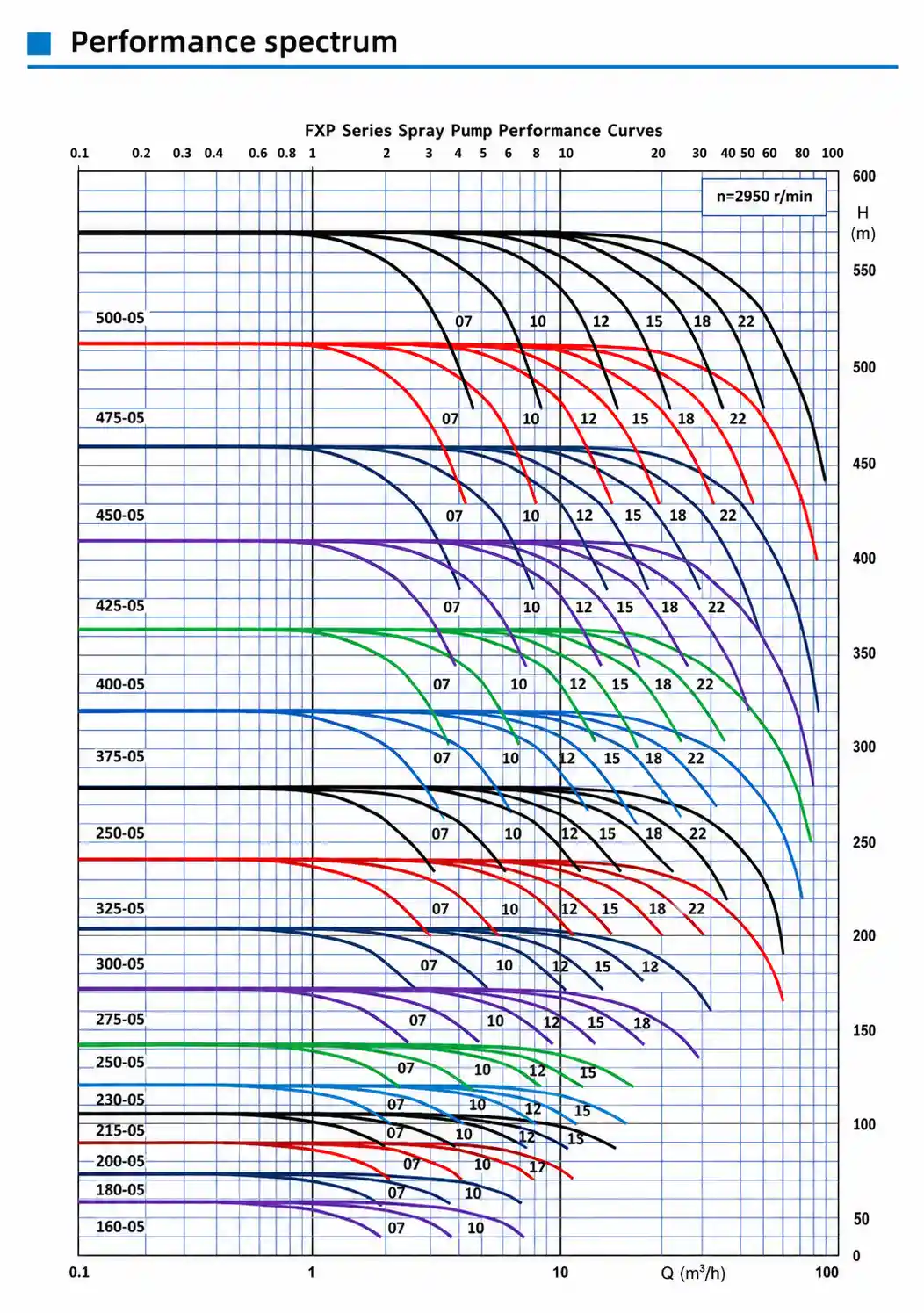
Instead of selecting the pump with the highest maximum efficiency, engineers should choose a pump that operates close to its Best Efficiency Point (BEP) under normal operating conditions. Running too far away from the BEP increases vibration, bearing loads, seal wear, and energy consumption.

Pump performance spectrum chart showing Best Efficiency Point (BEP) operating range
Operating near the BEP minimizes energy use and mechanical stress.

A pump operating near its BEP generally offers:

  • Lower power consumption
  • Reduced vibration
  • Longer equipment life
  • Improved reliability

Step 4: Choose Suitable Materials

Material selection is often overlooked but has a major impact on pump longevity.

Common materials include:

Pump MaterialTypical Applications
Cast IronClean water, utilities
Carbon SteelPetroleum products
Stainless Steel 304Mildly corrosive fluids
Stainless Steel 316Chemical processing
Duplex Stainless SteelChlorides and seawater
Alloy SteelHigh-temperature applications

Always select materials compatible with the process fluid and operating temperature.

Step 5: Evaluate Installation Conditions

Installation affects long-term pump performance.

Consider:

  • Available NPSH
  • Pipe layout
  • Suction conditions
  • Ambient temperature
  • Foundation rigidity
  • Alignment
  • Maintenance accessibility

Poor installation can reduce efficiency even if the pump itself is correctly selected.

Step 6: Think Beyond Initial Purchase Price

The lowest purchase price rarely represents the lowest total cost.

A pump's lifecycle cost includes:

  • Initial equipment cost
  • Installation
  • Electricity consumption
  • Spare parts
  • Maintenance
  • Downtime
  • Repairs

In many industrial plants, electricity accounts for the majority of total lifecycle costs over a pump's operating life, making efficiency a key economic consideration.

Common Pump Selection Mistakes

Many pumping problems originate during equipment selection.

Avoid these common errors:

Oversizing the Pump

Oversized pumps often operate with throttled valves, wasting energy and increasing wear.

Ignoring Fluid Properties

Selecting a standard pump for corrosive or high-temperature fluids can result in rapid component failure.

Selecting Based Only on Flow Rate

Flow alone is insufficient.

Engineers must also evaluate:

  • Head
  • Efficiency
  • NPSH
  • Operating range
  • Future process changes

Choosing the Wrong Materials

Incorrect material selection can cause:

  • Corrosion
  • Erosion
  • Leakage
  • Unexpected shutdowns

Neglecting Maintenance Requirements

A pump should not only perform efficiently but also allow easy inspection and servicing throughout its service life.

Working with an Experienced Pump Manufacturer

Selecting industrial pumps often involves balancing hydraulic performance, process requirements, material compatibility, and lifecycle costs.

An experienced pump manufacturer can assist with:

  • Pump sizing
  • Hydraulic calculations
  • Material recommendations
  • API 610 compliance
  • Custom engineering solutions
  • Technical documentation
  • After-sales support

Professional engineering support helps minimize project risks while ensuring long-term operational reliability. If you need help selecting a pump for your application, send us your inquiry and our team will recommend a suitable solution.

Conclusion

Efficient pump operation begins with proper pump selection. By carefully evaluating process conditions, fluid characteristics, hydraulic requirements, materials, and operating efficiency, engineers can significantly improve system reliability while reducing energy consumption and maintenance costs.

Whether your application involves petrochemical processing, chemical transfer, high-temperature fluids, or large-volume water movement, choosing the right pump is an investment in long-term operational performance.

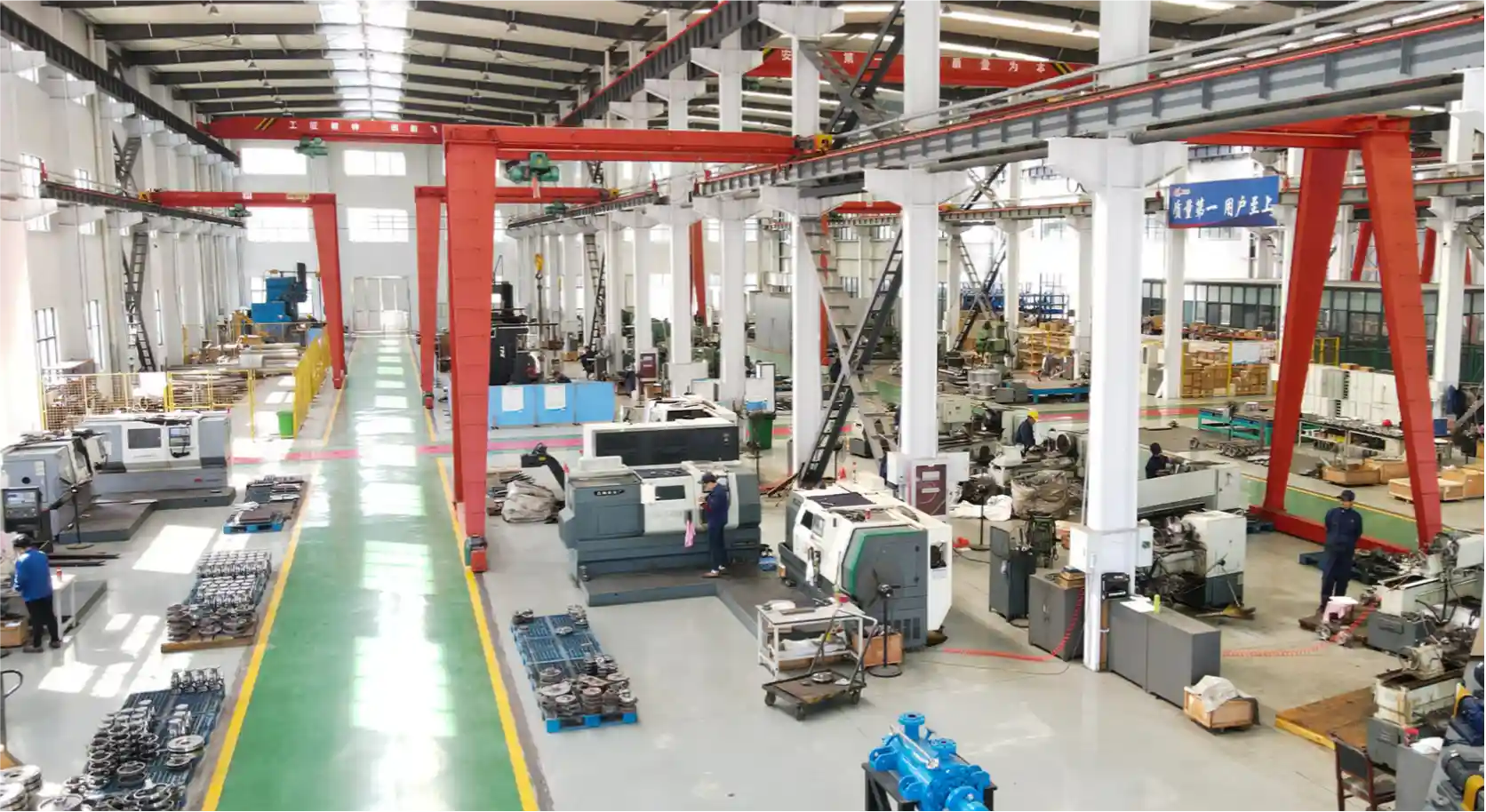
At Feiyue Pump Factory, we manufacture a wide range of industrial pumps—including API process pumps, chemical process pumps, high-temperature pumps, axial flow pumps, and magnetic drive pumps—to meet the demanding requirements of modern industrial applications. Our engineering team works closely with customers to recommend pump solutions that maximize efficiency, safety, and reliability.

FAQ

Frequently Asked Questions

How do I choose the right industrial pump?

The right industrial pump is selected by evaluating several key factors, including required flow rate, total dynamic head (TDH), fluid properties, operating temperature, pressure, and installation conditions. The pump should also operate as close as possible to its Best Efficiency Point (BEP) to maximize efficiency and reliability.

What is the Best Efficiency Point (BEP) of a pump?

The Best Efficiency Point (BEP) is the operating condition where a pump achieves its highest hydraulic efficiency. Operating near the BEP reduces energy consumption, minimizes vibration, extends bearing and seal life, and improves overall system reliability.

Why is pump efficiency important?

Pump efficiency directly affects energy consumption and operating costs. Since industrial pumps often run continuously, even a small improvement in efficiency can significantly reduce electricity costs over the pump's service life. Higher efficiency also reduces wear on internal components.

What factors affect pump selection?

Several factors influence pump selection, including:

  • Required flow rate (Q)
  • Total dynamic head (TDH)
  • Fluid temperature
  • Fluid viscosity
  • Corrosion or abrasion resistance
  • Operating pressure
  • Installation environment
  • Maintenance requirements

Selecting a pump based on all these factors helps ensure reliable and efficient operation.

What is the difference between an OH1 and an OH2 pump?

Both OH1 and OH2 pumps are overhung centrifugal pumps commonly used in chemical and petrochemical industries. The main difference is the mounting design. OH1 pumps are foot-mounted, while OH2 pumps are centerline-mounted, making them better suited for high-temperature applications because thermal expansion has less impact on shaft alignment. Explore our standardized chemical pump OH1-OH2 range and high temperature oil pump OH2.

When should I choose an API 610 pump?

API 610 pumps are recommended for demanding services in oil & gas, petrochemical, refinery, and chemical processing industries. They are designed to withstand high temperatures, high pressures, and continuous operation while meeting strict reliability and safety requirements. Browse our API 610 process pump range.

Can one pump handle different operating conditions?

Some pumps can operate across a range of conditions, but every pump has an optimal operating range. If the required flow or head changes significantly, using a variable frequency drive (VFD) or selecting a different impeller size may improve efficiency and reduce energy consumption.

How can I extend the service life of an industrial pump?

To maximize pump lifespan:

  • Select the correct pump for the application.
  • Operate near the Best Efficiency Point (BEP).
  • Perform regular inspections and preventive maintenance.
  • Monitor vibration and bearing temperature.
  • Ensure proper alignment and lubrication.
  • Replace worn seals and bearings before failure occurs.

Proper installation and routine maintenance can significantly reduce downtime and extend equipment life.